
"cup temperature"
20000 article(s) found
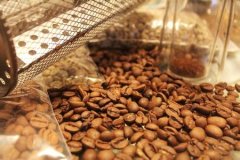
The basic chemical reaction that takes place during coffee roasting.
Basic chemical reactions that occur during coffee roasting author: Carl Staub originates from the SCAA baking color classification system, developed by Agtron SCAA 1995 original text from: http://www.sweetmarias.com/roast.carlstaub.html translation: Grant, http://www.baristacn.com/forum/thread-1583-1-1.html in the roasting process
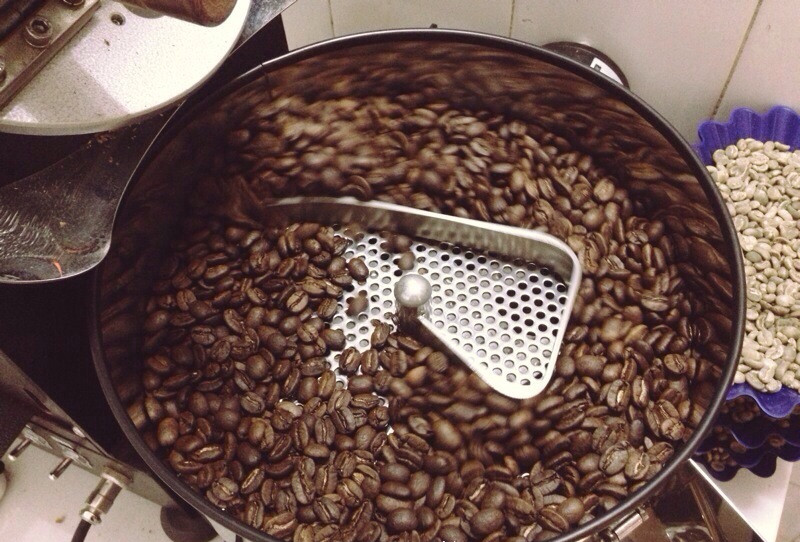
Basic chemical reactions of coffee beans during coffee roasting
Many thermal and chemical reactions take place during baking: decarbonation, dehydration of quinic acid, subdivision, isomerization, polymerization, and complex sugar reactions (caramelization). The main components of the thermal reaction are monosaccharides and sucrose, chlorogenic acid, free amino acids, and fenugreek amide. Both aravinose and calactose in the polysaccharides are transferred, and the basic vulcanization process includes hydroxylamine.
The basic chemical reactions that take place during coffee roasting
Many thermal and chemical reactions take place during baking: decarbonation, dehydration of quinic acid, subdivision, isomerization, polymerization, and complex sugar reactions (caramelization). The main components of the thermal reaction are monosaccharides and sucrose, chlorogenic acid, free amino acids, and fenugreek amide. Both aravinose and calactose in the polysaccharides are transferred, and the basic vulcanization process includes hydroxylamine.
The basic chemical reactions that take place during coffee roasting.
Many thermal and chemical reactions take place during baking: decarbonation, dehydration of quinic acid, subdivision, isomerization, polymerization, and complex sugar reactions (caramelization). The main components of the thermal reaction are monosaccharides and sucrose, chlorogenic acid, free amino acids, and fenugreek amide. Both aravinose and calactose in the polysaccharides are transferred, and the basic vulcanization process includes hydroxylamine.

Hand brewed coffee knowledge: hand brewing pot, filter cup, water temperature, coffee bean grinding thickness analysis
Hand flushing pot is divided into two kinds: palace fine-mouthed pot, crane mouth brewing pot. A. Court fine spout pot: fine spout brewing pot is the most widely used coffee brewing pot. Its water flow is fine, brewer easy to grasp and control; picture from: old boy coffee bj Baidu album B. Crane mouth brewing pot: this is an extreme manual brewing up to the people dare to try brewing equipment, it for brewers

The basic chemical reaction of coffee technology in the process of coffee roasting
Many thermal and chemical reactions take place during baking: decarbonation, dehydration of quinic acid, subdivision, isomerization, polymerization, and complex sugar reactions (caramelization). The main components of the thermal reaction are monosaccharides and sucrose, chlorogenic acid, free amino acids, and fenugreek amide. Both aravinose and calactose in the polysaccharides are transferred, and the basic vulcanization process includes hydroxylamine.

What are the factors affecting hand-brewing coffee with tips on hand-brewing coffee?
Cold and cold in winter is very suitable for a cup of hot coffee, but I don't know if you have noticed that when making coffee in winter, it is obviously the same extraction parameters, but the taste of the coffee is different. This is due to the change in temperature. Today, the editor will come to talk to you about what to pay attention to when making coffee in winter. | preheating apparatus
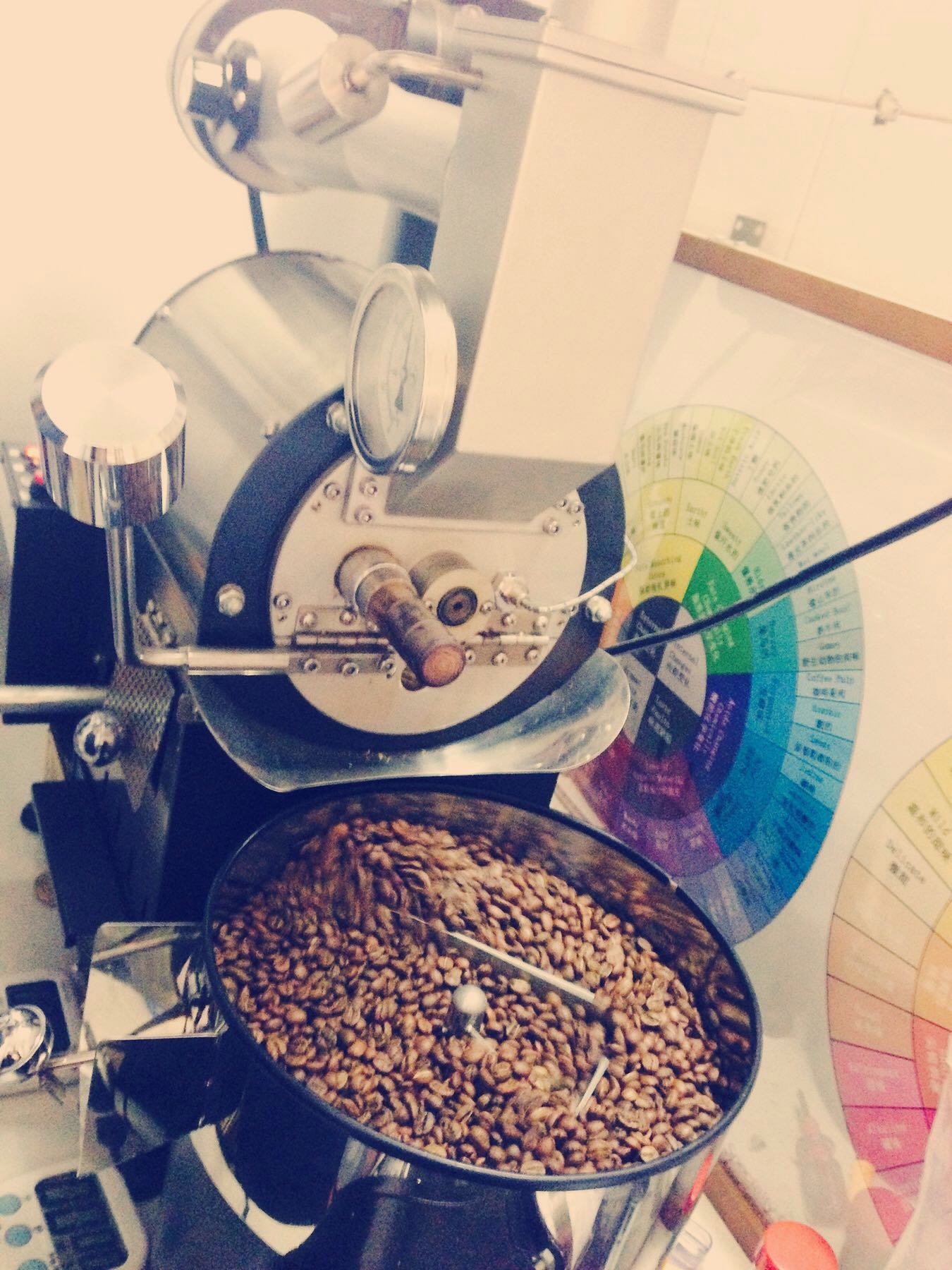
Key points of coffee roasting techniques: basic chemical reactions that take place during coffee roasting
Basic chemical reactions that occur during coffee roasting author: Carl Staub originates from the SCAA baking color classification system, developed by Agtron SCAA 1995 original text from: http://www.sweetmarias.com/roast.carlstaub.html translation: Grant, http://www.baristacn.com/forum/thread-1583-1-1.html in the roasting process

The basic chemical reaction of coffee knowledge during coffee roasting.
Many thermal and chemical reactions take place during baking: decarbonation, dehydration of quinic acid, subdivision, isomerization, polymerization, and complex sugar reactions (caramelization). The main components of the thermal reaction are monosaccharides and sucrose, chlorogenic acid, free amino acids, and fenugreek amide. Both aravinose and calactose in the polysaccharides are transferred, and the basic vulcanization process includes hydroxylamine.
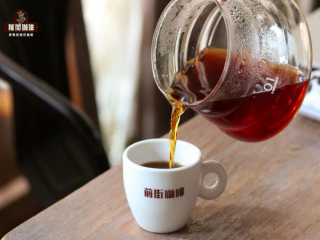
Can the flavor of hand-brewed coffee be preserved in an insulation cup? how long is the longest preservation of individual coffee insulation cups?
In the process of coffee changing from hot to cool, some aromatic flavor substances are also volatilized into the air with water vapor, so the aroma of the cooled coffee is not obvious, and because our senses have different sensitivity to the five flavors at different temperatures, so the cold coffee tastes more sour than when it is hot. It was done before Qianjie.
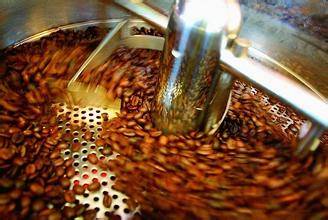
The basic chemical reaction that occurs during coffee roasting. The ingredients produced by the degree of coffee roasting.
Basic chemical reactions that occur during coffee roasting author: Carl Staub originates from the SCAA baking color classification system, developed by Agtron SCAA 1995 original text from: http://www.sweetmarias.com/roast.carlstaub.html translation: Grant, http://www.baristacn.com/forum/thread-1583-1-1.html in the roasting process

Is there an ideal temperature for coffee? What is the best brewing temperature for coffee?
Professional coffee knowledge exchange More coffee bean information Please pay attention to coffee workshop (Weixin Official Accounts cafe_style) Most coffee drinkers have preferred drinking temperature, temperature from seventy or eighty degrees of hot coffee, to close to zero degrees of iced coffee, as long as you can stand the temperature can drink, that is to say, all according to personal preference. But generally we define the temperature standard, at most

How should hollow filter cups be used? How to brew a pot of yejia sherry sun-red cherries in a hollowed-out filter cup?
Xiao Bian recently liked a hollowed-out filter cup. Xiao Bian's colleagues were forced to drink N pots of hollowed-out filter cup coffee every day.(*^_^*) The appearance of hollowed-out filter cup is exquisite. Xiao Bian summarized the characteristics of hollowed-out filter cup: 1. Fast flow rate (because there is no cup wall of the filter cup, so the exhaust is very good) 2. Edge coffee powder is not easy to over-extract (because water has reached the edge will penetrate the filter paper

Ember smart mug: keep the best temperature of coffee for a longer time
Users can control the temperature of Ember coffee cups through the application. Brewed coffee has a small bite that can bring it down to the desired temperature, but sometimes it gets cold quickly, especially when something else distracts you in the morning. California-based Ember Technologies has developed a coffee cup that claims to keep your drink at the right temperature for a long time, allowing users to pass the phase.

The temperature of the brewed water and the conditions for a good cup of coffee
The temperature of the brewed water-the element of good coffee-the quality of the water temperature control absolutely affects whether a cup of coffee can preserve the delicious substances in the beans. The better your coffee is made, the more intractable the ultimate problem of water temperature becomes. The water temperature seriously affects the quality of coffee, but it is difficult to control. The temperature of the water is not good, because the temperature of the boiling water in the espresso machine is high.
How does the sour and bitter in coffee come from?
Many thermal and chemical reactions take place during baking: decarbonation, dehydration of quinic acid, subdivision, isomerization, polymerization, and complex sugar reactions (caramelization).

The method of making coffee by hand drip filter (illustration)
The principle and equipment of the handbag is very simple. A good cup of coffee can be made with only a filter cup, a hand pot, a piece of filter paper and a cup. Even in the coffee filter method, you only need to prepare a special piece of filter paper to make a cup of coffee. Although the handbag looks simple and the cooking process is not as magical as the plug and mocha pot, there is a problem when you pick up the equipment for coffee for the first time.

The effect of temperature on coffee how to taste a cup of coffee with warm coffee
People's tongues, noses, and receptors for different tastes also have different receptivity at different temperatures. Sour things will be more peaceful at high temperatures (such as Hot Lemon Tea). If you drink some single coffee, which is mainly sour, you will find that the hot coffee is not sour when drinking, but feels very sour when it gets cold, that is, the decrease in temperature affects us.
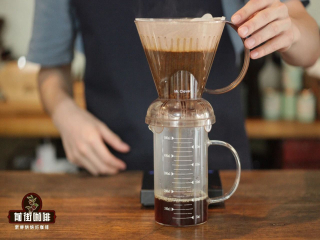
Smart filter cup use method teaching: smart cup use formula-temperature / powder-water ratio / soaking time parameter suggestion
Professional coffee knowledge exchange more coffee bean information please follow the coffee workshop (Wechat official account cafe_style) smart cup use skills smart cup extraction principle introduction to hand coffee seems simple, in fact, to master a lot of technical details, the need to prepare too much equipment, hand brewing process of different factors may be created

Basic knowledge of Coffee the method of making coffee by hand drip filter
Hand drip filter method for making coffee (illustration) the principle and equipment of handheld coffee is very simple. A good cup of coffee can be made with only a filter cup, a hand pot, a piece of filter paper and a cup. Even in the coffee filter method, you only need to prepare a special piece of filter paper to make a cup of coffee. Although the handbag looks simple and the cooking process is not as magical as Saifeng and mocha pots,